Christmas Tree in Oil and Gas
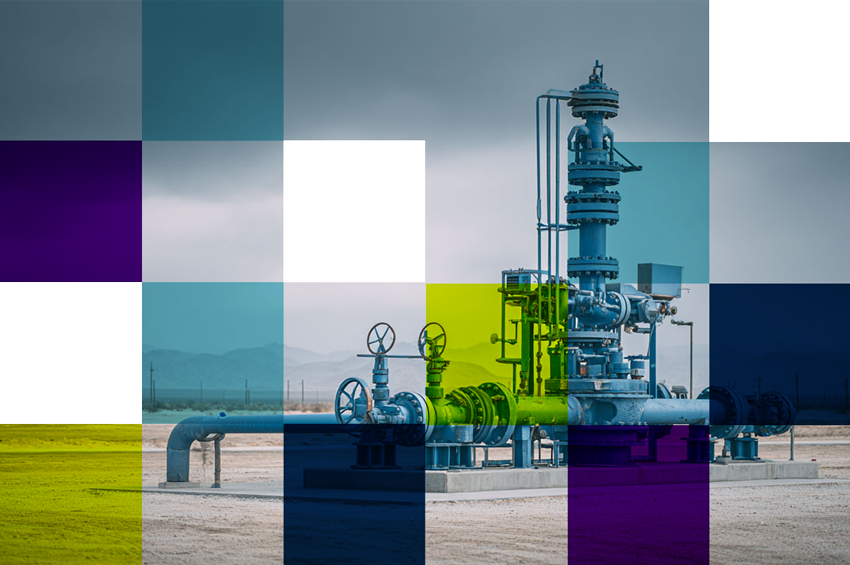
The Christmas tree is one of the most critical assemblies in upstream oil and gas operations. Installed on top of the wellhead, it controls and monitors the flow of hydrocarbons from the reservoir to the surface, and enables operators to isolate the well safely when required. Its design, materials, and configuration are dictated by well pressure, reservoir composition, and operating environment from onshore pads to ultra-deepwater developments.
This guide covers the function, types, and components of a Christmas tree, and how it fits into the broader well control system.
Function of
a Christmas Tree
A Christmas tree performs several operational and safety-critical functions across the life of a well. At its core, it regulates the rate at which oil, gas, or water is produced from the reservoir, giving operators direct control over flow to the surface. Alongside this, it continuously monitors and manages wellhead pressure, a role that is essential for preventing uncontrolled releases and maintaining safe operating conditions throughout production.
The tree also functions as the well’s primary isolation point. When maintenance, workover activity, or an emergency response is required, its valves allow the well to be shut in completely, cutting off flow at the source. In wells where injection is part of the production strategy, the same assembly is used to control the injection of water, gas, or chemicals back into the reservoir, supporting reservoir management and enhanced recovery efforts.
Finally, the Christmas tree serves as a key monitoring point for the well. Its connection points for pressure gauges, sensors, and sampling equipment give operators real-time visibility into well conditions, data that informs both day-to-day operational decisions and longer-term reservoir management.
Our brands
Baker Hughes
Baker Hughes Wellhead Anyone who chooses a Baker Hughes Wellhead chooses a solution designed for environments where continuity and safety are non-negotiable. These wellheads are used worldwide in both onshore and offshore projects and are...
Cactus
Cactus Wellhead Cactus Wellhead, a publicly traded company, specializes in the design, manufacture, sale, and rental of high-performance wellhead and pressure control equipment for the oil and gas industry. Focused primarily on onshore unconventional oil...
Dril-Quip
Dril-Quip Dril-Quip is recognized worldwide for delivering advanced wellhead systems engineered for complex offshore and onshore operations. With a strong heritage in subsea technology and high-pressure equipment, the company provides operators with robust solutions that...
Halliburton
Halliburton Wellhead Halliburton is one of the world’s leading suppliers of products, services and integrated solutions for oil and gas exploration, development and production. The company delivers high-performance wellhead systems engineered for both onshore and...
National Oilwell Varco
National Oilwell Varco (NOV) Wellheads National Oilwell Varco, internationally known as NOV, is one of the world’s leading providers of equipment and technology for the oil and gas industry. The company has built a strong...
Schlumberger Cameron
Schlumberger (Cameron) Schlumberger wellheads provide unmatched reliability and performance for both onshore and offshore drilling environments. As a global leader in drilling technology, Schlumberger offers wellheads designed to withstand the harshest conditions. Focused on durability,...
TechnipFMC plc
TechnipFMC plc TechnipFMC plc provides a broad range of wellhead systems and services for onshore, offshore and shallow-water operations, all designed to deliver improved safety, efficiency and reliability. Their wellhead technologies are developed to help...
Weatherford
Weatherford Weatherford provides a wide range of wellhead systems for different applications, including high-pressure, deepwater, and thermal environments like SAGD. Their equipment includes casing and tubing spools, hangers, and specialized products like high-pressure casing patches...
Weir Group PLC
Weir Group PLC Wellheads The Weir Group PLC is a global engineering company that supplies advanced equipment and services to industries such as oil and gas, mining, and power generation. Within its oil and gas...
Wellhead Systems
Wellhead Systems Wellhead Systems is a leading provider of advanced wellhead equipment designed to meet the toughest demands of the oil and gas industry. With a focus on safety, reliability, and operational efficiency, Wellhead Systems...
Types of Christmas Trees
Tree design is determined by well location, depth, and operating conditions.
Surface Christmas Trees
Surface trees are installed directly on the wellhead at ground level or on a platform deck. They are used across onshore and shallow-water operations, offering straightforward access for inspection, maintenance, and intervention at a lower capital cost than subsea alternatives.
Subsea Christmas Trees
Subsea trees are installed on the seabed for deepwater and ultra-deepwater developments. Built to withstand high pressure, low temperature, and remote operating conditions, they are controlled via umbilical systems and serviced using remotely operated vehicles (ROVs). Subsea trees represent a significantly higher engineering and cost investment than surface systems.
Horizontal vs. Vertical Christmas Trees
Trees are also classified by master valve orientation:
- Vertical Christmas Trees (VXT) – Master valve positioned in the vertical bore; the traditional configuration for most onshore and surface installations.
- Horizontal Christmas Trees (HXT) – Master valve positioned in the horizontal branch, allowing well intervention without removing the tree — a preferred configuration in deepwater and subsea applications.
Safety and
standards
Christmas trees are engineered and tested to API 6A specifications and are subject to routine inspection, valve testing, and preventive maintenance throughout the operational life of a well often spanning several decades. Reliable performance directly reduces the risk of blowouts, unplanned downtime, and environmental incidents.
A Preferred supplier
of Wellheads
We are a leading supplier of high-quality oil and gas instrumentation, specializing in wellheads for both onshore and offshore operations. With decades of experience, we provide innovative wellhead systems that prioritize safety, durability, and efficiency. At Wellheads.com, we understand that each well presents its own unique challenges. Our wellhead systems are engineered to perform under extreme pressure, in unpredictable conditions, and across a wide range of applications. From land rigs to ultra-deepwater projects, we deliver solutions that ensure structural integrity, reliable sealing, and operational efficiency when it matters most.